
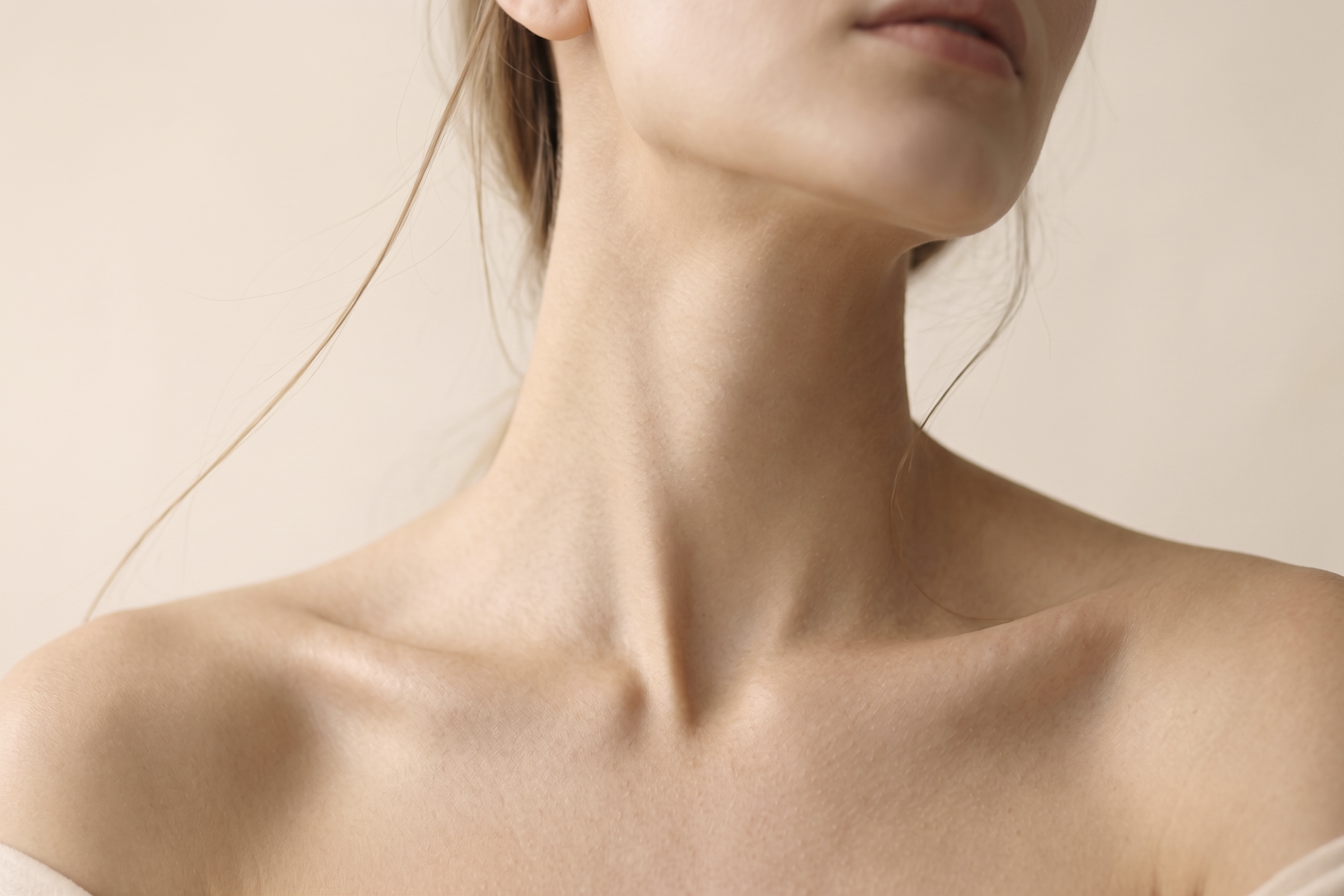
Microneedling for skin rejuvenation
Microneedling stimulates the skin to produce new collagen itself, without adding volume. The treatment is performed following a medical assessment of your skin.
What is microneedling?
Microneedling is a non-surgical skin treatment in which very fine micro-channels are created in the skin using a medical needle pen. These stimuli are very limited on the surface, but trigger a controlled repair response in the deeper skin layers. The skin responds by producing new collagen and gradually improving its texture. In professional literature, this is referred to as collagen induction.
This treatment falls within the regenerative branch of the practice: the starting point is rejuvenation from within the body’s own systems. Nothing is filled, and no foreign volume is added. The skin receives a stimulus and then performs the work itself.
In addition to the classic variant with needles, there is also a nano-variant. This involves working with very short, needle-free tips that only make the upper stratum corneum permeable. This variant is not intended to stimulate collagen, but to introduce active ingredients comfortably and with limited recovery time.
How does it work?
The treatment works through two complementary mechanisms.
The first is the repair mechanism. The micro-channels form a controlled stimulus to which the body responds with a natural repair cascade: growth factors are released, fibroblasts are activated, and new collagen and elastin are produced. This process is slow and continues for weeks to months after the session itself.
The second is improved absorption. As long as the micro-channels remain open, active ingredients applied to the skin during or immediately after the session penetrate deeper than with regular care. Therefore, microneedling is often combined with a specialized serum or mask.
The intensity is adjusted per zone. Thin skin and the eye area are treated noticeably more cautiously than, for example, the cheeks or a scar.
Who is this treatment suitable for?
Microneedling can be considered for:
- general skin rejuvenation, loss of radiance, and a dull complexion
- fine lines and a coarser pore structure
- scars, including acne scars
- stretch marks
- uneven pigmentation and irregular skin texture
- skin that benefits little from skincare because absorption remains limited
The nano-variant is an option when no recovery time is possible, when the skin reacts sensitively, or when the primary goal is hydration and radiance.
What happens during a session?
The skin is first thoroughly cleansed and degreased. Where useful, this is preceded by an enzyme peel to loosen the top layer of dead skin cells. For more sensitive areas, an anesthetic cream is applied, which must take effect for some time.
The skin is then treated in rows with the needle pen, zone by zone and with an intensity adapted to the area. Most patients describe the sensation as a vibrating, warm tingling; it is experienced as sharper on bony areas such as the forehead.
The treatment is followed by a hydrating mask to soothe the skin, then a restorative balm and high sun protection. Immediately after the session, the skin is red and warm, comparable to a mild sunburn.
Number of sessions and results
Microneedling works cumulatively. Typically, a series of several sessions is planned, with several weeks in between, so that the collagen repair can do its work between sessions. Maintenance is possible afterwards, tailored to the skin.
An initial effect on radiance and smoothness is often noticed within a few weeks. The improvement of texture and scars builds up more slowly, over several months.
The result varies from person to person and depends on age, skin type, lifestyle, smoking, and sun exposure. A best-efforts obligation applies, rather than a guarantee of results.
What this treatment does not do
- Microneedling does not tighten sagging skin and does not replace a face or neck lift.
- No volume is added; loss of volume in the cheeks or temples is not resolved by it.
- Deep folds and heavy wrinkles will not disappear with it.
- Deep or pitted scars generally become milder, but rarely invisible.
- Active acne is not treated with it; it must first be under control.
- The effect is not permanent, as the skin continues to age.
Safety and contraindications
The treatment is not performed or is postponed in cases including:
- active acne, an active infection, or a cold sore in the area
- active rosacea
- open wounds, eczema, or a damaged skin barrier
- autoimmune diseases
- diabetes with delayed wound healing
- ongoing chemotherapy or radiotherapy
- pregnancy and breastfeeding
In the case of a tendency toward keloid formation or pigment shifts, the indication is weighed individually.
Aftercare
- Redness and slight swelling for one to three days are normal.
- No makeup for twenty-four hours.
- No sauna, steam bath, or intensive exercise for forty-eight hours.
- No peeling and no swimming pool for two to three days.
- No fruit acids, retinol, highly concentrated vitamin C, scrubs, or self-tanner until day five.
- Daily SPF 50 and no direct sun exposure for one week.
Combination with surgery and other treatments
Microneedling is often used to support a surgical trajectory. A facelift or neck lift repositions tissue but does not change the quality of the skin itself. A regenerative trajectory works precisely on that quality and can thus complement the surgical result. The timing after a procedure is always determined individually, depending on wound healing.
Combinations are also possible within the non-surgical range, for example with mesotherapy and skin boosters or with a PRP treatment of the face. An appropriate interval is respected between microneedling and treatments such as botulinum toxin, fillers, laser, or peelings.
Frequently asked questions
Is microneedling painful?
Most patients describe the sensation as a warm, vibrating tingling that is well tolerated. For more sensitive areas, an anesthetic cream is applied beforehand. On bony areas such as the forehead, the sensation is experienced as sharper.
How much recovery time should I allow?
Expect one to three days of redness and a slightly swollen feeling, comparable to a mild sunburn. Makeup should be avoided for the first twenty-four hours. The nano-variant essentially requires no recovery time.
Can microneedling completely eliminate acne scars?
Acne scars generally become milder and the skin looks more even, but complete disappearance is not realistic. Deep or pitted scars usually require a combined approach.
Is microneedling allowed in the summer?
It is possible, provided that direct sun exposure is avoided for about a week and that SPF 50 is used daily. For tanned skin or an increased risk of pigment shifts, the treatment is preferably postponed.
How many sessions are needed?
Microneedling works cumulatively, so multiple sessions are usually planned with several weeks in between. The exact number depends on the indication and your skin’s response.
What is the difference with the nano-variant?
The nano-variant does not use needles, but very short tips that only make the upper stratum corneum permeable. This variant serves to introduce active ingredients and provides radiance and hydration, without recovery time.
Read also
This text is general in nature and does not replace personal medical advice. An obligation of means applies, not an obligation of results. What is possible in your situation is determined during a consultation and recorded in writing. Read the full medical disclaimer.
Schedule your personal consultation
Discover how we can enhance your well-being and self-confidence with our specialized care.