
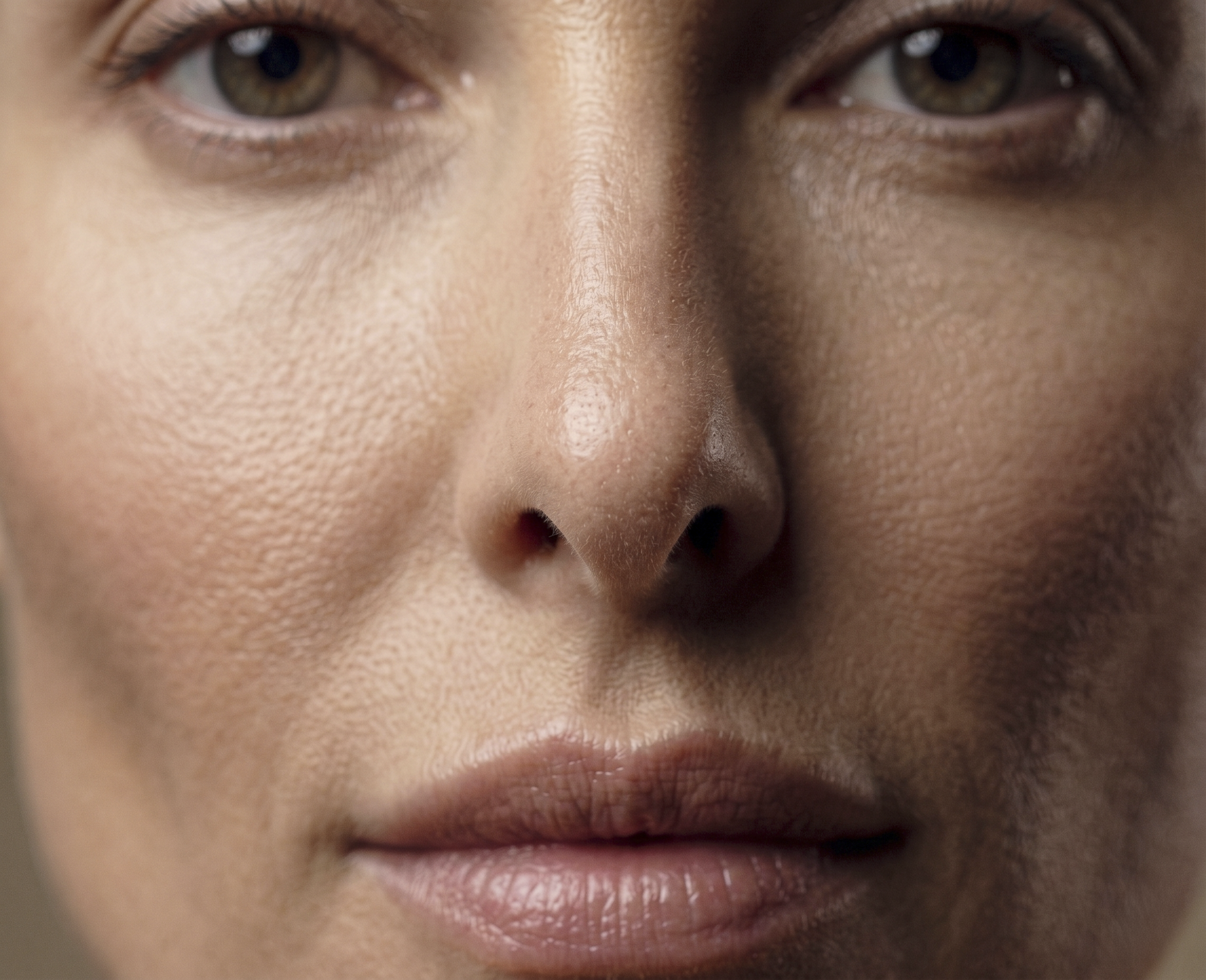
Rhinoplasty
A rhinoplasty corrects the shape of the nose and can also improve breathing problems. Discover how a rhinoplasty can refine facial harmony and the profile.
What is a rhinoplasty?
A rhinoplasty is a surgical procedure in which the shape of the nose is adjusted to create better harmony with the face.
The nose plays a central role in the face. Small changes in shape or proportion can therefore have a significant impact on the appearance of the face.
A rhinoplasty can have both aesthetic and functional goals. In some cases, the shape of the nose is improved while breathing problems are corrected at the same time.
INDICATIONS
When is a rhinoplasty suitable?
procedure
The course of the procedure
A rhinoplasty is usually performed under general anesthesia. Depending on the anatomy and the complexity of the correction, a closed or open technique is chosen.
Safety
In a closed rhinoplasty, all incisions are located inside the nose, and there are no visible scars.
In an open rhinoplasty, a small incision is also made between the nostrils. This technique provides a better view of the nasal anatomy and is used when more precision is required.
The choice of technique depends on the nature of the correction and will be discussed during the consultation.
Results
During a rhinoplasty, various parts of the nose can be adjusted, such as the nasal bridge, the nasal tip, or a crooked nose position.
Functional corrections, such as a septoplasty, can also be performed during the same procedure.
The goal is always to create a nasal shape that looks natural and is better balanced with the rest of the face.
Aftercare
After the procedure, temporary symptoms such as swelling around the nose, bruising around the eyes, and a stuffy nose may occur.
A nasal splint is usually placed and remains for about one week.
Most daily activities can usually be resumed after about one week. It is best to avoid intensive exertion during the first few weeks.
FREQUENTLY ASKED QUESTIONS
Your questions about rhinoplasty answered
What is the difference between an open and a closed rhinoplasty?
In a closed rhinoplasty, all incisions are located inside the nose, and there are no visible scars.
In an open rhinoplasty, a small incision is also made between the nostrils. This technique provides more visibility of the nasal anatomy and is used when more precision is required.
Will there be visible scars?
In a closed rhinoplasty, there are no visible scars.
With an open technique, there is a small scar between the nostrils. This usually heals very discreetly and becomes barely noticeable over time.
Is the result permanent?
Yes. The changes to bone and cartilage are permanent.
However, it should be taken into account that the swelling of the nose subsides slowly. The final result usually only becomes visible after 6 to 12 months.
Is a rhinoplasty painful?
Most patients experience a feeling of pressure, swelling, or congestion rather than actual pain.
Temporary swelling around the nose, blue discoloration around the eyes, and a stuffy nose may occur.
Can a rhinoplasty also improve breathing?
Yes. When the nasal septum or other internal structures make breathing difficult, this can be corrected during the same procedure.
During the consultation, it will be determined whether a functional correction is needed in addition to an aesthetic one.
What is the recovery process after a rhinoplasty?
After the procedure, a nasal splint is usually placed and remains for about one week.
Most patients resume daily activities after about one week. It is best to avoid intensive exertion during the first few weeks.
What is the difference between a surgical and a non-surgical rhinoplasty?
A non-surgical rhinoplasty uses fillers to temporarily camouflage small irregularities.
A surgical rhinoplasty structurally adjusts the shape of the nose and is indicated when the nasal bridge, nasal tip, deviation, or breathing truly need to be corrected.
Can a rhinoplasty be combined with other procedures?
Yes. In certain cases, a combination with, for example, chin and jawline contouring can provide a more harmonious profile balance.
Related procedures
More information about related facial treatments:

Schedule your personal consultation
Discover how we can enhance your well-being and self-confidence with our specialized care.