
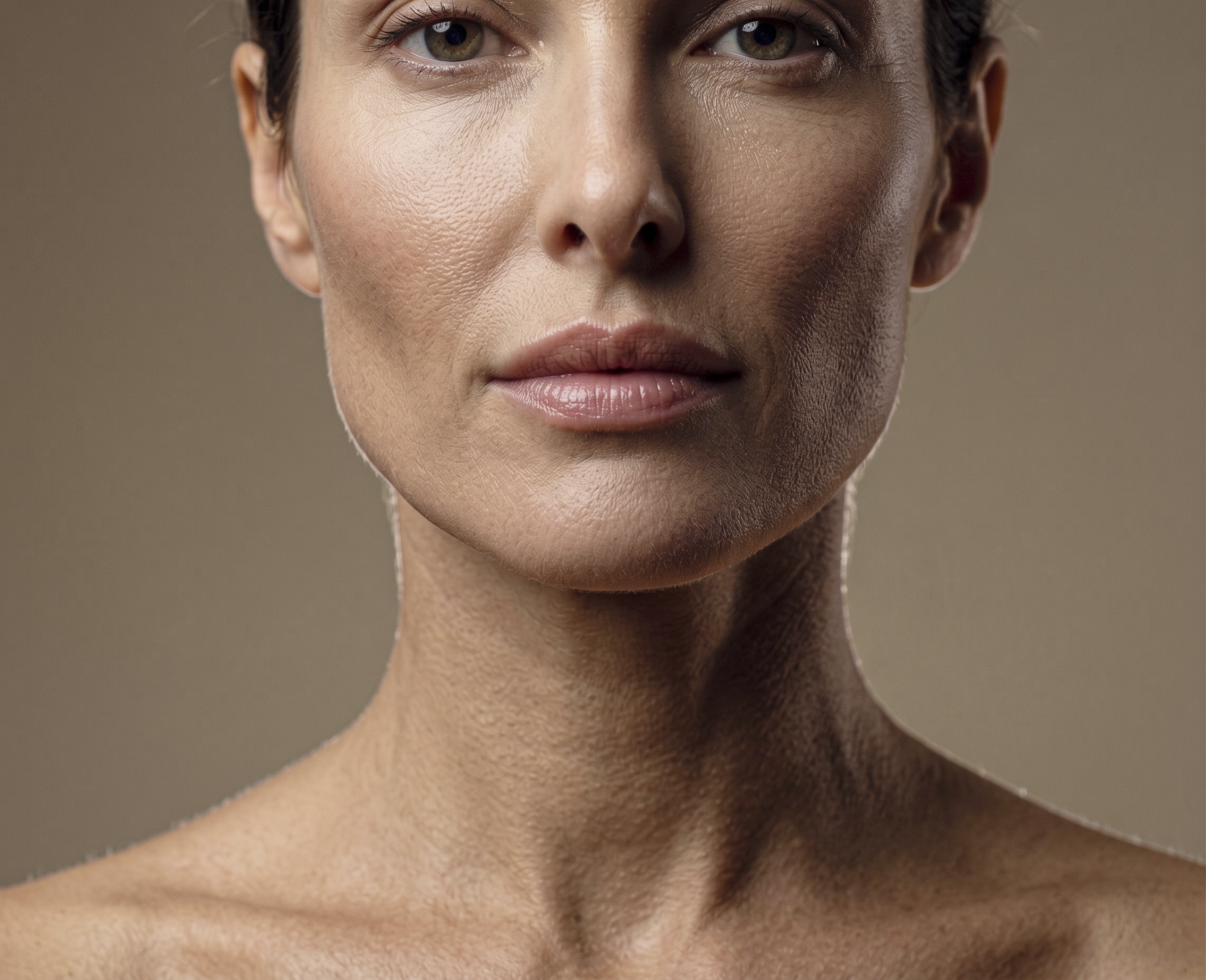
Lower eyelid surgery
A lower eyelid surgery corrects bags under the eyes and restores a fresher, more rested look.
What is a lower eyelid surgery?
The skin and tissues around the eyes are particularly thin and sensitive to aging. Over time, bags, excess skin, and a tired appearance can develop.
A lower eyelid surgery, also known as lower blepharoplasty, is a surgical procedure performed to correct these changes.
The goal of the procedure is not to change the face, but to restore the natural eye contour and create a fresher, more rested appearance.
INDICATIONS
When is a lower eyelid surgery considered?
procedure
The course of the procedure
Depending on the cause of the complaints, various techniques are possible to refine the contour of the lower eyelid.
Safety
A lower eyelid surgery is usually performed under local anesthesia with sedation or under light general anesthesia. The procedure takes an average of 45 to 90 minutes. Most patients can return home the same day.
Results
The goal of a lower eyelid surgery is a fresher and more rested look, without the face losing its natural expression. Many patients find that the bags under the eyes are reduced, the gaze appears less tired, and the transition between the eyelid and cheek becomes smoother.
Aftercare
After the procedure, temporary swelling around the eyes, bruising, and slight tension of the eyelid may occur. These complaints usually disappear within one to two weeks. Makeup can generally be used again after seven to ten days.
TECHNIQUES
Techniques of a lower eyelid surgery
For patients with primarily bags but little excess skin, a transconjunctival blepharoplasty may be suitable. In this case, the fat is removed or repositioned through an incision on the inside of the eyelid, without a visible scar.
When excess skin is also present, a classic lower eyelid surgery can be performed via a small incision just below the lash line. This allows for the simultaneous correction of skin and fat deposits.
In some patients, the problem consists mainly of a transition between the bag and the tear trough. In such cases, fat transposition can provide a more natural result than fat removal alone.
When volume loss plays a significant role, lipofilling can be used to fill the tear trough and soften the transition between the eyelid and the cheek.
Frequently asked questions
Your questions about lower eyelid surgery answered
Why do bags under the eyes develop?
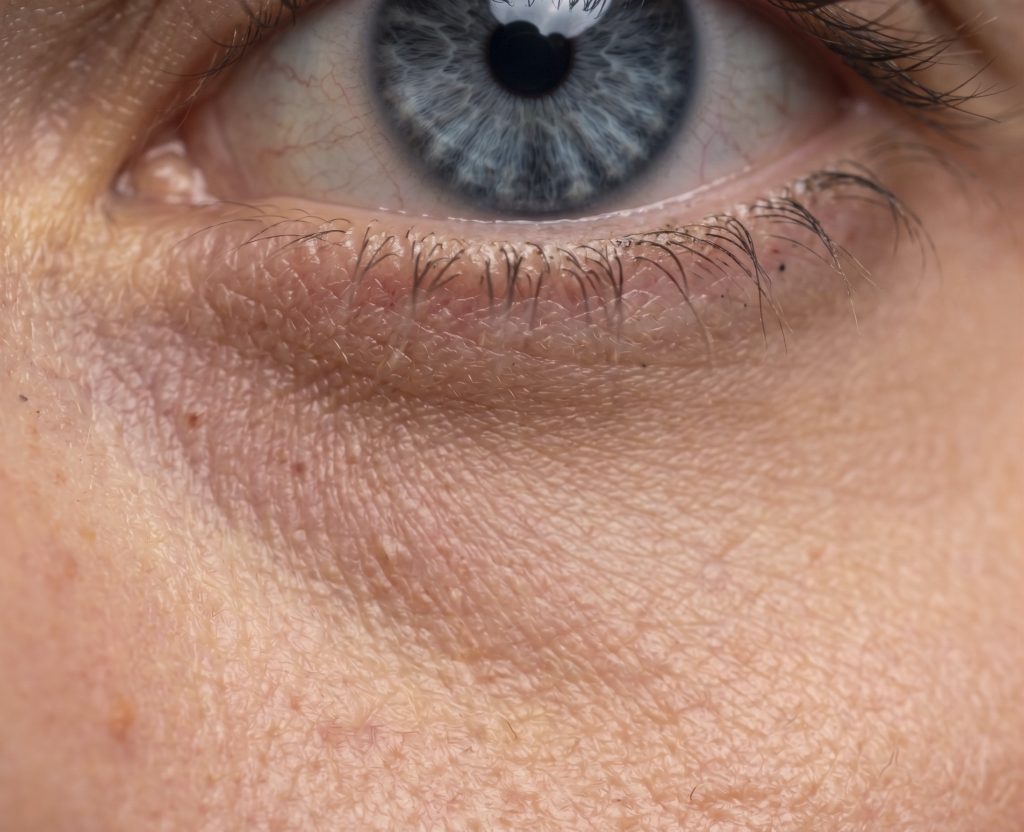
Bags under the eyes can have various causes, such as fat prolapse, skin laxity, volume loss in the cheek, a deepened tear trough, genetic predisposition, or thin skin around the eyes. It is often a combination of factors.
Are the bags completely removed?
The goal is usually not to remove all the fat, but to restore a natural transition between the eyelid and the cheek. In many cases, fat transposition or volume correction provides a more beautiful and natural result than simple fat removal.
Which technique is most suitable for me?
This depends on the cause of the complaints. For fat deposits without excess skin, a transconjunctival technique may be suitable. When excess skin is also present, a classic lower eyelid surgery may be indicated. In cases of volume loss, fat transposition or lipofilling can offer added value.
Is the scar visible?
With a transconjunctival technique, the incision is made on the inside of the eyelid. There is then no visible scar. With a classic technique, the scar is located just below the lash line and is usually barely visible after healing.
What is the recovery like after a lower eyelid surgery?
After the procedure, temporary swelling around the eyes, bruising, and slight tension of the eyelid may occur. These complaints usually disappear within one to two weeks. Most patients resume their daily activities fairly quickly, depending on the technique used and the extent of the swelling.
When can I use makeup again?
Makeup can generally be used again after seven to ten days, once the wounds have healed sufficiently and this is deemed safe during the follow-up appointment.
Can a lower eyelid surgery be combined with other procedures?
Yes. A lower eyelid surgery is often combined with an upper eyelid surgery, facial lipofilling, or a facelift, depending on the anatomy and the desired correction.
Does a lower eyelid surgery provide a natural result?
The goal is a fresher and more rested look, without the face losing its natural expression. Therefore, the treatment is tailored to the cause of the bags and the transition between the eyelid and the cheek.
Related procedures
More information about related facial treatments:
Schedule your personal consultation
Discover how we can enhance your well-being and self-confidence with our specialized care.