
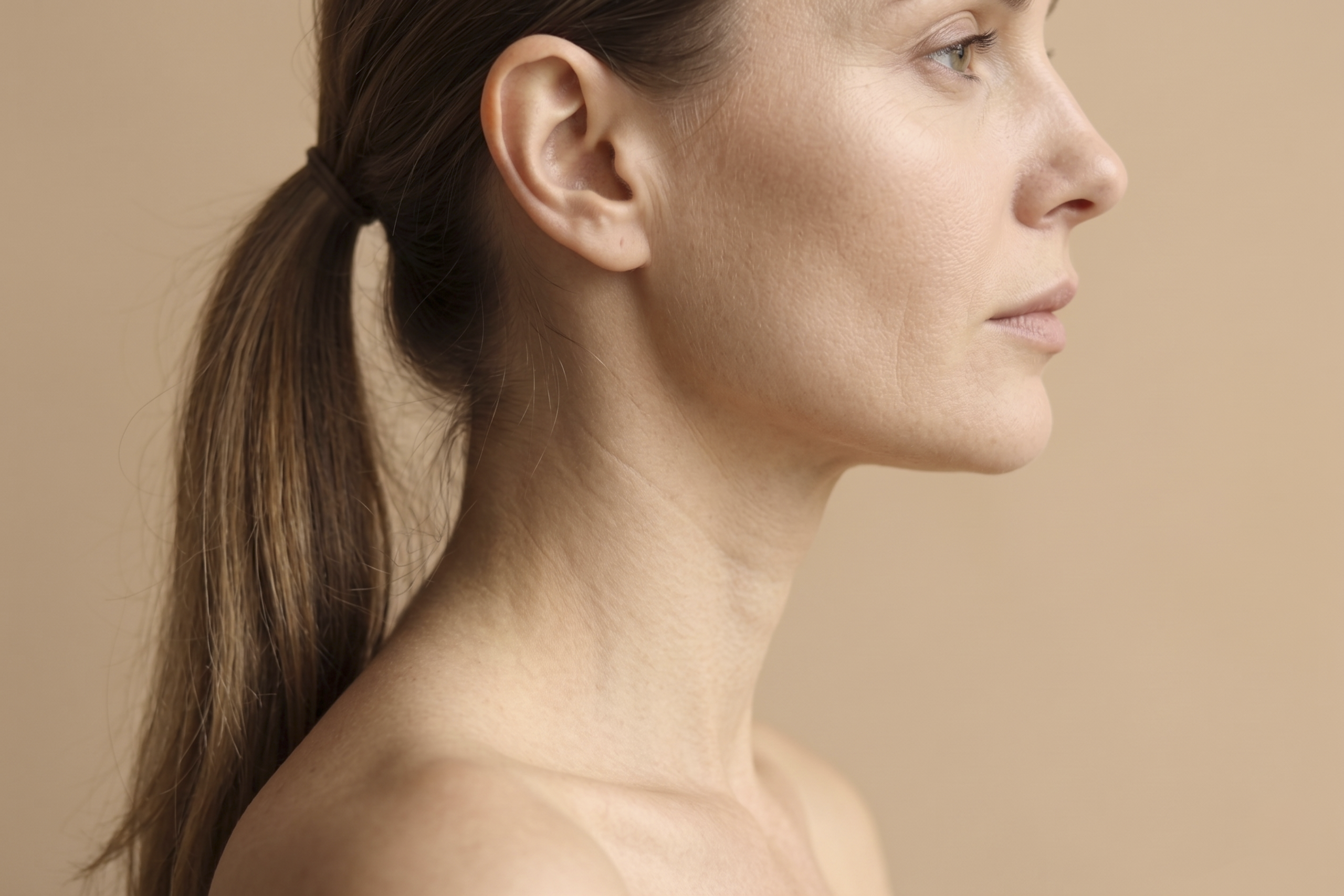
Ear correction
An ear correction (otoplasty) corrects protruding ears and restores a natural ear shape. Discover the techniques, recovery, and results of an ear correction.
What is an ear correction?
Protruding ears can have a significant impact on self-confidence. Some people have experienced this since childhood, while others only become conscious of it later in life.
With an ear correction, also called otoplasty, the shape, position, and orientation of the ears can be improved so that they better align with the natural contour of the head.
The goal of the procedure is a harmonious and natural result, without it being visible that a procedure was performed.
INDICATIONS
When is an ear correction suitable?
procedure
The procedure
The procedure can be performed under local or general anesthesia. The technique is adapted to the specific shape of the ear and the anatomical cause of the protrusion.
Safety
General anesthesia is usually chosen for children. For adults, the procedure can often be performed under local anesthesia. The procedure takes an average of about 60 minutes, and most patients can go home the same day.
Results
During an ear correction, various structures of the ear can be adjusted, such as the ear fold and the concha. Often, a combination of techniques is used to bring the ears closer to the head while maintaining a natural shape.
Aftercare
After the procedure, a bandage is placed around the head to protect the ears. During the first few days, slight swelling, bruising, and a feeling of tension may occur. After that, a protective headband is usually worn for about four weeks, especially at night.
FREQUENTLY ASKED QUESTIONS
Your questions about ear correction answered
At what age can an ear correction be performed?
An ear correction can usually be performed from about 6 years of age, as the ear is almost fully developed by that age.
Can an ear correction also be performed on adults?
Yes. Although the procedure is often performed on children, many adolescents and adults also opt for an ear correction.
What is the recovery like after an ear correction?
After the procedure, a bandage is first placed around the head to protect the ears. During the first few days, slight swelling, bruising, and a feeling of tension may occur. The bandage is usually removed after about one week. After that, a protective headband is often worn for about four weeks, especially at night.
When can I resume normal activities?
Most patients can resume their normal activities after about one week. Contact sports or activities where the ears might be hit are best avoided for a longer period.
Will the scar remain visible?
The incision is usually placed behind the ear. As a result, the scar is typically barely visible after healing.
Is the result permanent?
Yes. The result of an ear correction is generally permanent, as the cartilage heals in its new position.
Can an ear correction be reversed?
An ear correction is intended as a permanent correction. Small adjustments are sometimes possible, but the procedure is not performed with the intention of reversing it later.
Are both ears always corrected?
Usually, both ears are treated to achieve the most symmetrical result possible. In cases of clear asymmetry, the correction can be adjusted differently for each ear.
Related procedures
More information about related facial treatments:
Schedule your personal consultation
Discover how we can enhance your well-being and self-confidence with our specialized care.