
Tummy Tuck
A tummy tuck (abdominoplasty) removes excess skin and tightens the abdominal muscles. Discover the procedure, recovery, scarring, and when treatment may be appropriate.
What is a tummy tuck?
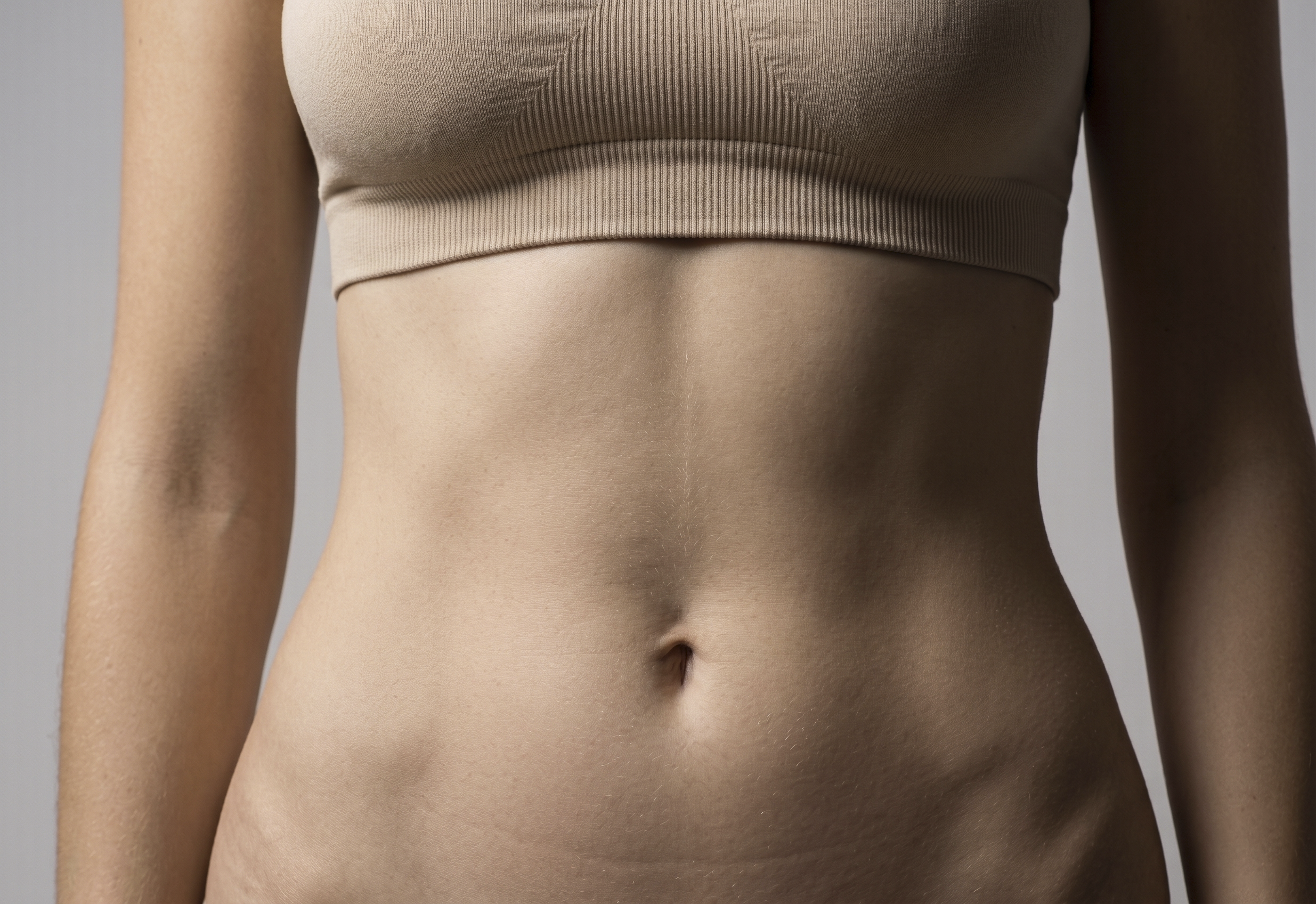
A tummy tuck, also known as abdominoplasty, is a surgical procedure in which excess skin and fat are removed from the abdomen and the abdominal wall is tightened.
The procedure is often considered after pregnancy, significant weight loss, or skin aging.
In these situations, the abdomen may not fully recover despite exercise and diet.
Furthermore, many patients experience diastasis, where the rectus abdominis muscles have separated. During a tummy tuck, these muscles can be brought back together, resulting in a flatter and firmer abdomen.
The goal of a tummy tuck is to achieve a flatter, tighter, and more harmonious abdomen.
INDICATIONS
When is a tummy tuck considered?
procedure
How is a tummy tuck performed?
During a tummy tuck, excess skin and fat are removed, and the abdominal wall is tightened if necessary.
Safety
A tummy tuck is typically performed under general anesthesia.
During the procedure, excess skin and fat are removed, the rectus abdominis muscles are brought back together if necessary, and the abdominal skin is redraped. In a full tummy tuck, the navel is also repositioned.
Not every patient requires the same procedure. The choice of technique depends on the amount of excess skin, skin quality, the presence of diastasis, and the shape of the abdomen.
Results
A tummy tuck can provide a flatter abdomen, a tighter abdominal wall, and an improved body contour.
The goal of the procedure is a natural result where the abdomen better complements the rest of the silhouette.
The result is usually long-lasting, provided that weight remains stable.
Aftercare
After the procedure, patients usually stay in the hospital for one night.
In addition, a compression garment is typically worn for approximately four weeks to support healing.
Strenuous activities and intensive strain on the abdomen should be temporarily avoided.
TECHNIQUES
Advanced tummy tuck techniques
In cases of pronounced excess skin around the entire torso, a 360° tummy tuck or body lift may be considered.
Following significant weight loss, a fleur-de-lis tummy tuck may be indicated, involving both horizontal and vertical skin resection.
In certain cases, additional skin tightening can be considered using less invasive techniques. An example of this is J-Plasma, where energy is used under the skin to contract tissue and improve skin quality. This can be particularly interesting when skin laxity is present, but without the pronounced excess skin that requires a classic extensive skin resection.
During the consultation, we will discuss which technique best suits your anatomy and expectations.

Frequently asked questions
Your questions about a tummy tuck answered
Can a tummy tuck help with diastasis?
Yes. During the procedure, the rectus abdominis muscles can be brought back together, making the abdomen flatter and firmer.
Is a tummy tuck a weight loss method?
No. A tummy tuck is not a weight loss surgery, but a procedure to correct excess skin, excess fat, and potential muscle laxity.
What is the difference between a mini tummy tuck and a full tummy tuck?
For limited excess skin below the navel, a mini-abdominoplasty may be sufficient. When excess skin is present both above and below the navel, or when the abdominal muscles need repair, a full tummy tuck is usually indicated.
Can a tummy tuck be combined with liposuction?
Yes. In many cases, a tummy tuck is combined with liposuction of the abdomen or flanks to further refine the contour.
What is the recovery like after a tummy tuck?
After the procedure, patients usually stay in the hospital for one night. In addition, a compression garment is typically worn for approximately four weeks to support healing.
Light activities can usually be resumed after about two weeks. Strenuous activities and intensive strain on the abdomen should be temporarily avoided.
Will the scar remain visible?
A scar is inevitable. In a classic tummy tuck, the scar usually runs low across the lower abdomen, so it typically remains well-hidden under underwear or swimwear.
There is also usually a fine scar around the navel. With proper scar care, scars generally fade gradually over time.
How long does the result remain visible?
The result is usually long-lasting, provided that weight remains stable. New pregnancy, significant weight fluctuations, or further aging can affect the result.
Can the abdomen become loose again?
Yes, this can happen with weight fluctuations, pregnancy, or further aging. A stable weight and healthy lifestyle help to maintain the result for as long as possible.
Related procedures
More information about related body-contouring treatments:

Schedule your personal consultation
Discover how we can enhance your well-being and self-confidence with our specialized care.