
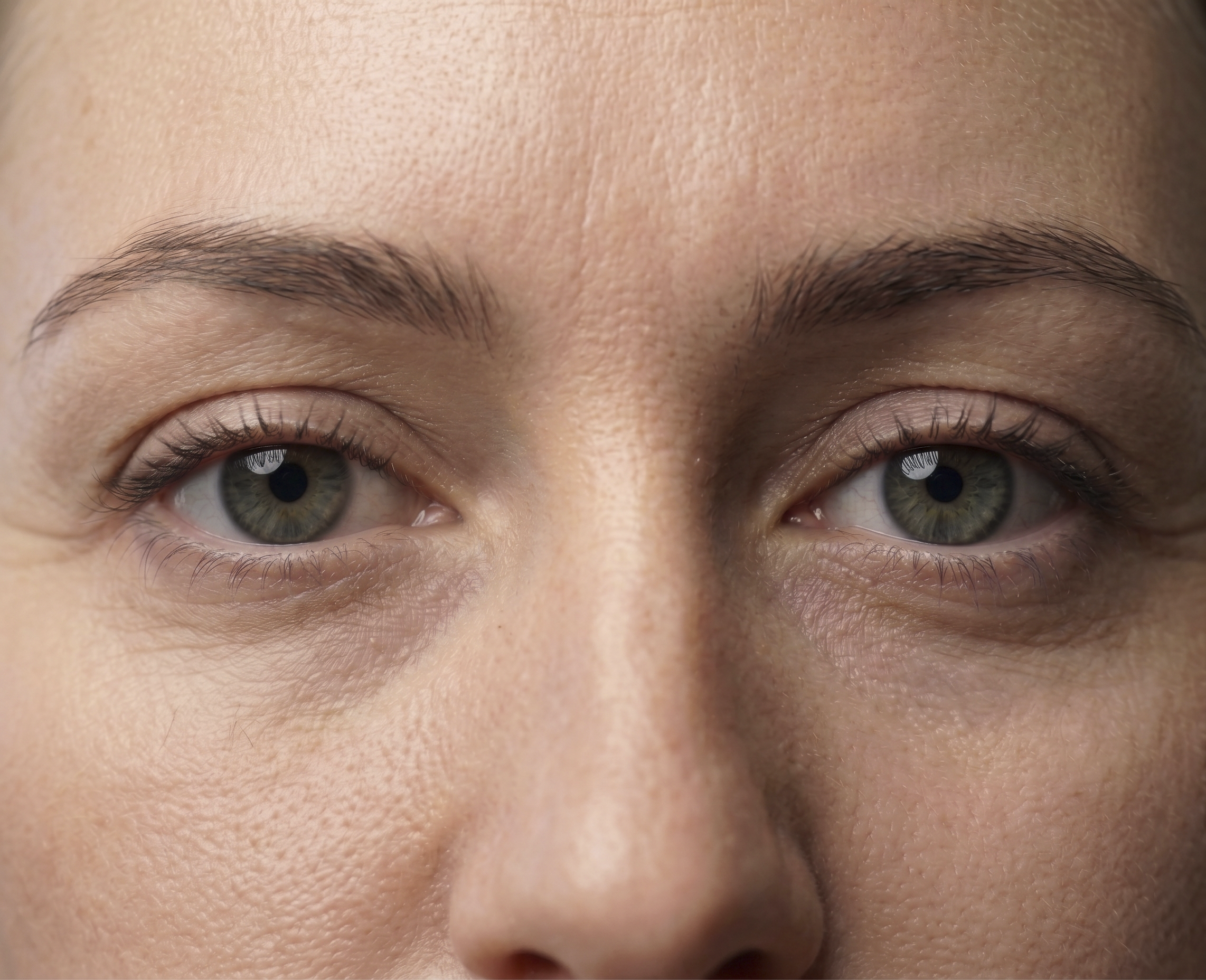
Upper eyelid surgery
An upper eyelid surgery removes excess skin from the upper eyelid and gives the eyes a fresh, rested appearance.
What is an upper eyelid surgery?
An upper eyelid surgery, also known as upper blepharoplasty, is a surgical procedure in which excess skin and sometimes fatty tissue are removed from the upper eyelid.
With age, the skin of the upper eyelid gradually loses elasticity. This can result in excess skin that makes the eye appear heavier and can sometimes even partially obstruct the field of vision.
An upper eyelid surgery can improve a tired look, open the field of vision when skin restricts sight, and give the eye area a fresher and more rested appearance.
Depending on the anatomy, not only is excess skin removed, but sometimes a limited amount of fatty tissue is also adjusted to refine the contour of the upper eyelid.
The procedure is among the most frequently performed procedures in plastic surgery.
INDICATIONS
When is an upper eyelid surgery considered?
procedure
What happens during an upper eyelid surgery?
During an upper eyelid surgery, excess skin is removed from the upper eyelid and, if necessary, fatty tissue is adjusted.
Safety
An upper eyelid surgery is usually performed under local anesthesia. The procedure typically takes about one hour.
During the procedure, the excess skin is precisely marked, local anesthesia is administered, excess skin is removed, and fatty tissue is adjusted if necessary. The skin is then closed with fine sutures.
The procedure is usually performed on an outpatient basis, allowing you to return home the same day.
Results
An upper eyelid surgery can significantly refresh the eyes.
The result can open the gaze, reduce a tired look, improve the field of vision when skin restricts sight, and provide a natural and more rested appearance.
The goal of the procedure is always a subtle and natural result where the face retains its own expression.
Aftercare
After the procedure, slight swelling and bruising around the eyes may occur.
In the first week, one can typically expect slight swelling around the eyes, bruising, and a feeling of tension in the eyelids.
The sutures are usually removed after about one week. Most patients can resume their daily activities after a few days to a week.
Intensive exercise is usually discouraged for approximately two weeks.
Frequently asked questions
Your questions about upper eyelid surgery answered
Why does an eyelid droop?
A drooping upper eyelid is not always caused by the same factor. Usually, it involves excess skin of the upper eyelid. Sometimes a low position of the eyebrow also plays a role, or there is ptosis, where the muscle that opens the eyelid functions less effectively. During the consultation, the exact cause will be determined.
Can an eyelid surgery improve vision?
Yes. When excess skin of the upper eyelid restricts the upper field of vision, an upper eyelid surgery can open the sight and reduce functional impairment.
What is the difference between an eyelid surgery and a ptosis correction?
An eyelid surgery removes excess skin from the upper eyelid. A ptosis correction corrects a problem with the muscle that lifts the eyelid. The distinction is important because both problems require different treatments.
Does the position of the eyebrow sometimes play a role as well?
Yes. Sometimes the upper eyelid appears heavy because the eyebrow is positioned lower. In that case, a brow lift, possibly in combination with an eyelid surgery, may be more appropriate.
What is the recovery process like after an upper eyelid surgery?
In the first week, slight swelling, bruising, and a feeling of tension in the eyelids are normal. The sutures are usually removed after about one week. Daily activities can often be resumed after a few days to one week. Intensive exercise is usually discouraged for approximately two weeks.
Where is the scar located after an upper eyelid surgery?
The scar is located in the natural crease of the upper eyelid. As a result, it is usually discreet and barely visible after healing. In the months following the procedure, the scar typically fades further.
Is the result permanent?
An upper eyelid surgery removes the existing excess skin. The result is long-lasting, but the natural aging process continues. Consequently, the skin may change again after many years.
Is an upper eyelid surgery painful?
The procedure is usually performed under local anesthesia and is generally well tolerated. After the procedure, there may be some tension or sensitivity, but significant pain is rather uncommon.
Related procedures
More information about related facial treatments:
Schedule your personal consultation
Discover how we can enhance your well-being and self-confidence with our specialized care.