
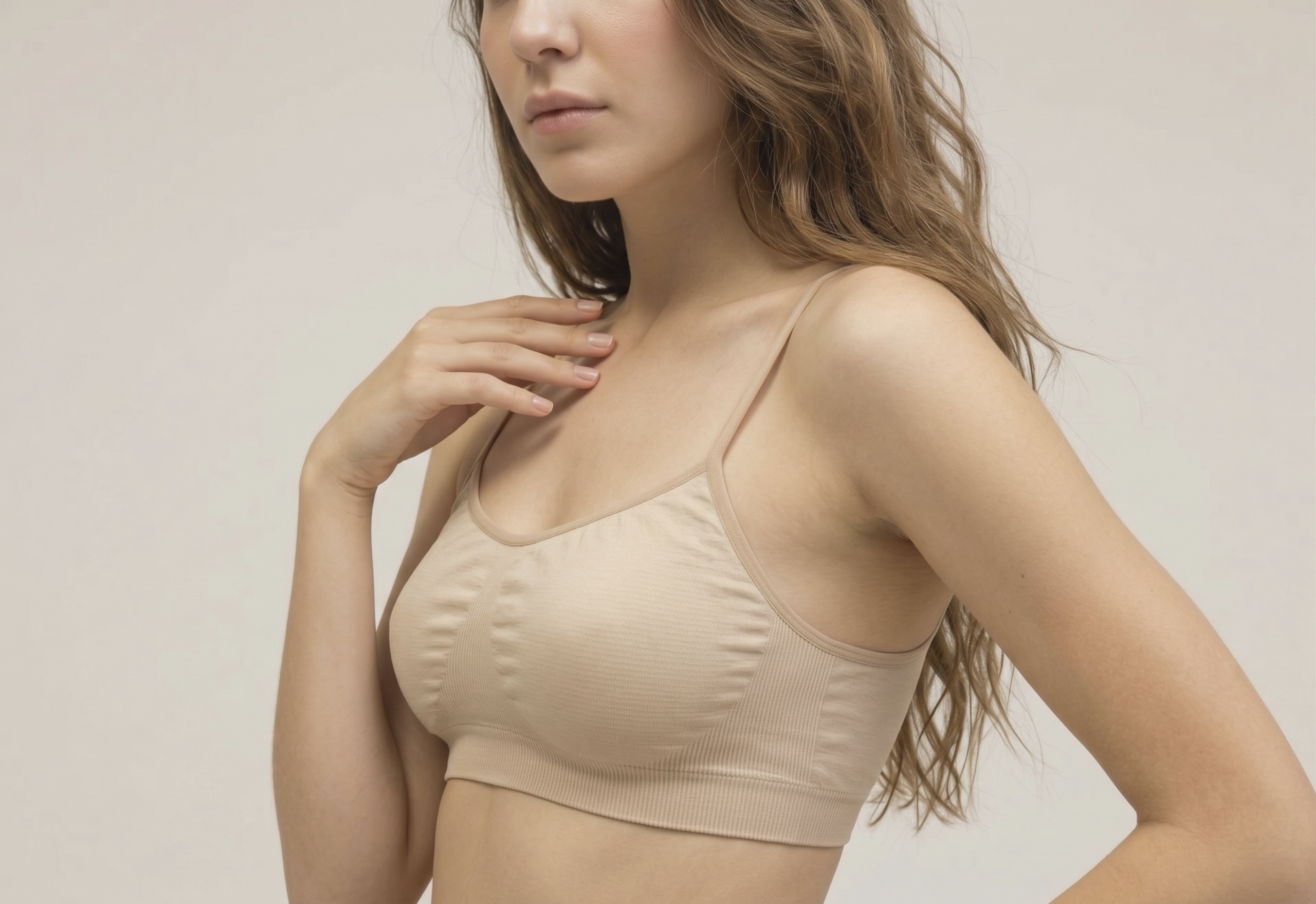
Breast lift for sagging breasts
A breast lift corrects sagging or drooping breasts and restores a firmer, natural breast shape. Discover when a breast lift is appropriate, how the procedure works, and what you can expect regarding recovery and results.
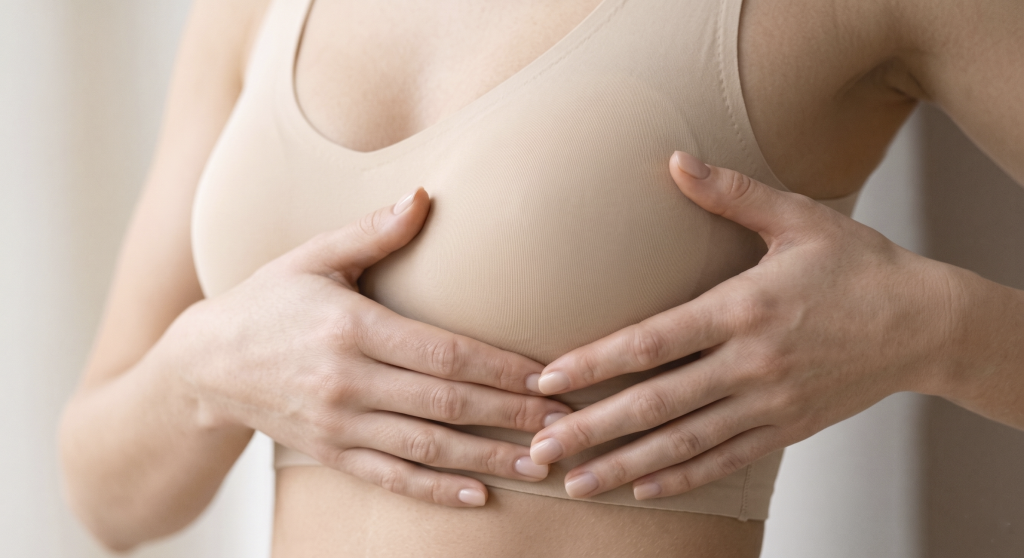
What is a breast lift?
A breast lift, also known as a mastopexy, is a surgical procedure in which the shape and position of the breasts are restored. Excess skin is removed and the breast tissue is reshaped, giving the breast a firmer and more youthful appearance.
Following pregnancy, breastfeeding, weight changes, or aging, the breast may begin to sag. The nipple may shift to a lower position and the breast may take on an empty or flattened shape.
A breast lift raises the breast and ensures a natural shape that better complements the rest of the body.
In contrast to a breast augmentation, a breast lift does not focus on increasing volume, but on restoring the shape and position of the breast.
During the consultation, it will be assessed which technique is most suitable for your anatomy and which result appears most natural.
INDICATIONS
When is a breast lift recommended?
procedure
How does a breast lift work?
The choice of technique depends on the degree of sagging, the position of the nipple, and the amount of excess skin. During the consultation, it will be determined which approach best suits your anatomy and desired result.
Safety
A breast lift is performed under general anesthesia. Prior to the procedure, an extensive consultation takes place in which your medical history, breast shape, and skin quality are assessed to determine the most suitable technique.
Results
A breast lift positions the breast higher, improves the shape, and centers the nipple. The result becomes gradually visible in the weeks and months following the procedure.
Aftercare
After the procedure, you will wear a support bra for several weeks. Daily activities can usually be resumed after 1 to 2 weeks. Intensive physical exertion is generally discouraged for 4 to 6 weeks.
FREQUENTLY ASKED QUESTIONS
Your questions about a breast lift answered.
Will the breast be larger after a breast lift?
A breast lift primarily improves the shape and position of the breast. The volume usually remains approximately the same. If more volume is also desired, a breast lift can be combined with a breast implant or lipofilling.
Can a breast lift be combined with a breast augmentation?
Yes. When loss of volume is present alongside sagging, a breast lift can be combined with an implant or lipofilling. This combination improves both the volume and the shape and position of the breast.
Can I still breastfeed after a breast lift?
In most cases, breastfeeding remains possible after a breast lift. However, this cannot always be guaranteed with absolute certainty. Please discuss this during the consultation if breastfeeding is important to you.
How long do the results of a breast lift last?
The result is long-lasting. With a stable weight, a breast lift can maintain a beautiful result for many years. Weight fluctuations, pregnancy, or aging can, however, affect the breast again.
What is the difference between a breast lift and a breast reduction?
A breast lift primarily corrects the shape and position of the breast without necessarily removing much volume. A breast reduction also reduces the breast volume when the breasts are too heavy or cause physical complaints.
How do I know if I need a breast lift or a breast augmentation?
When the breast primarily lacks volume, a breast augmentation may suffice. When the breast has begun to sag and the nipple is positioned too low, a breast lift is usually recommended. Sometimes a combination of both techniques is considered.
What is the recovery process like after a breast lift?
Swelling, bruising, and a feeling of tightness may occur after a breast lift. Most patients resume daily activities after 1 to 2 weeks. A support bra is usually worn for several weeks, and intensive exertion is generally discouraged for 4 to 6 weeks.
Where are the scars located after a breast lift?
The scars depend on the chosen technique. They are usually located around the areola, vertically down to the inframammary fold, and sometimes within the fold itself. They are placed as discreetly as possible and generally fade gradually in the months following the procedure.
Related procedures
More information about related breast treatments:
Schedule your personal consultation
Discover how we can enhance your well-being and self-confidence with our specialized care.